
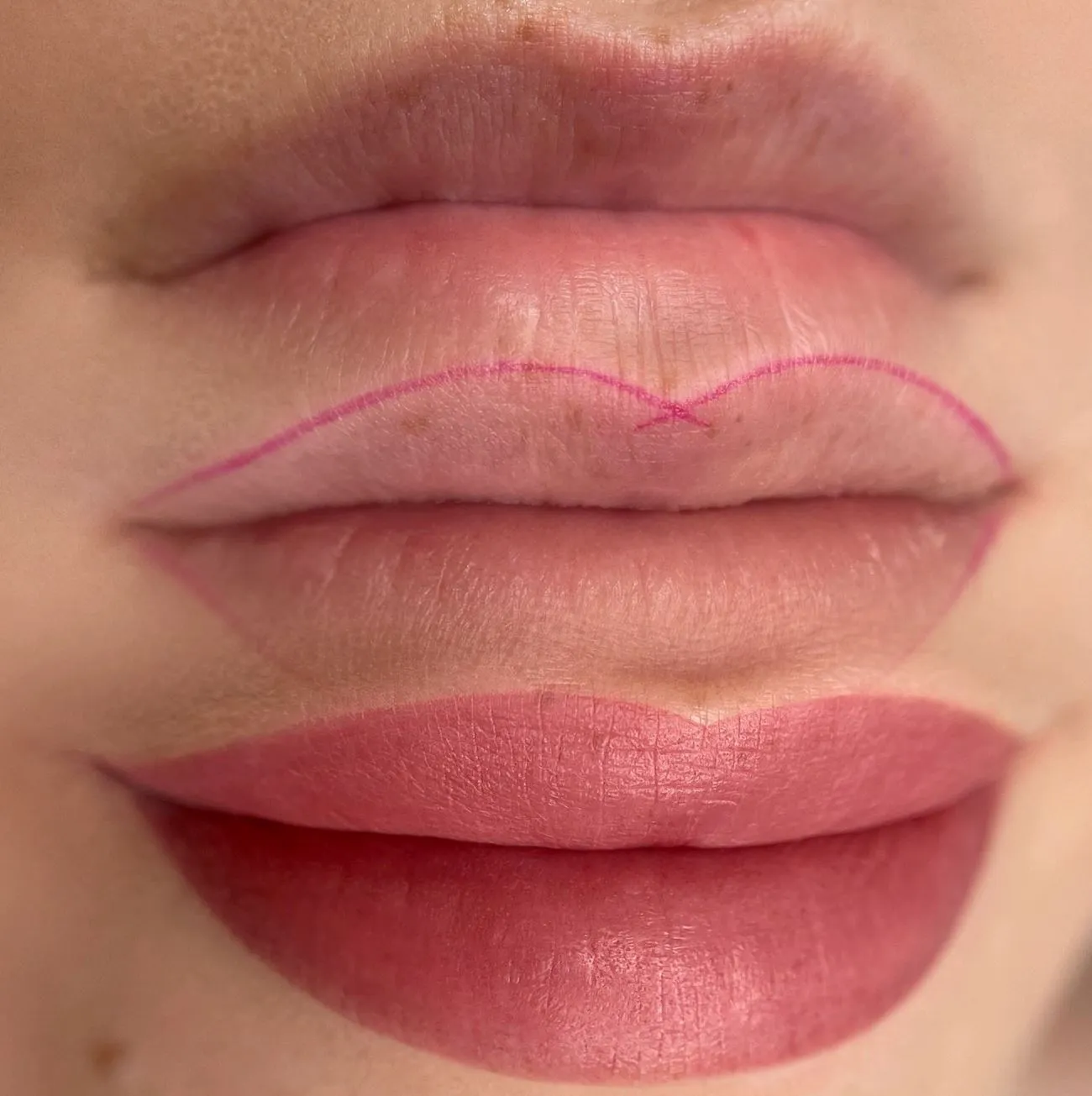
Let’s be honest: learning how to tattoo someone’s face is a big deal — and not just because brows are the first thing people notice. If you’ve ever fallen down the rabbit hole of patchy microblading, faded lip blush disasters, or eyeliner tattoos gone wrong, you already know how much skill and science goes into getting it right. So what you’ll learn in a permanent makeup course?
So if you’re eyeing off a permanent makeup course in Australia (and wondering what the heck you’ll actually learn), this deep dive is for you. We’ll cover everything from skin science and pigment theory to practical hands-on skills, safety standards, and how to avoid becoming that artist on the PMU horror story Reddit threads.
If you’re considering enrolling, Cosmetic Tattoo Brisbane Studio Face Figurati is one standout option. With a reputation for results-driven, safety-first training, it’s a name trusted by aspiring PMU artists across Queensland. Whether you’re brand new to the field or looking to upgrade your skills, a comprehensive cosmetic tattooing course can be the foundation of a successful career.
Core Techniques
When people think of PMU, brows are usually the first thing that comes to mind. But a proper course will teach you more than just how to fill in sparse arches.
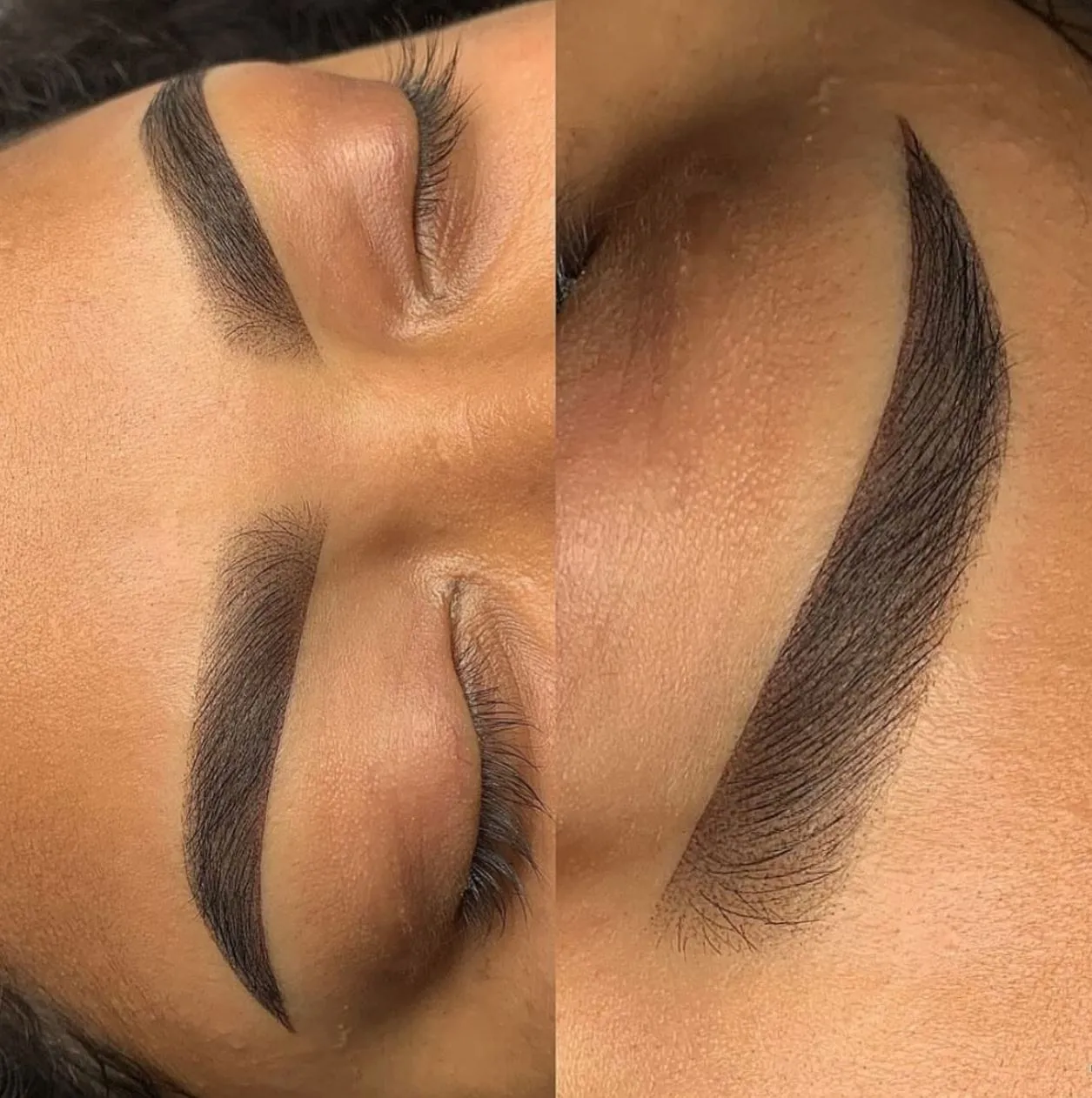
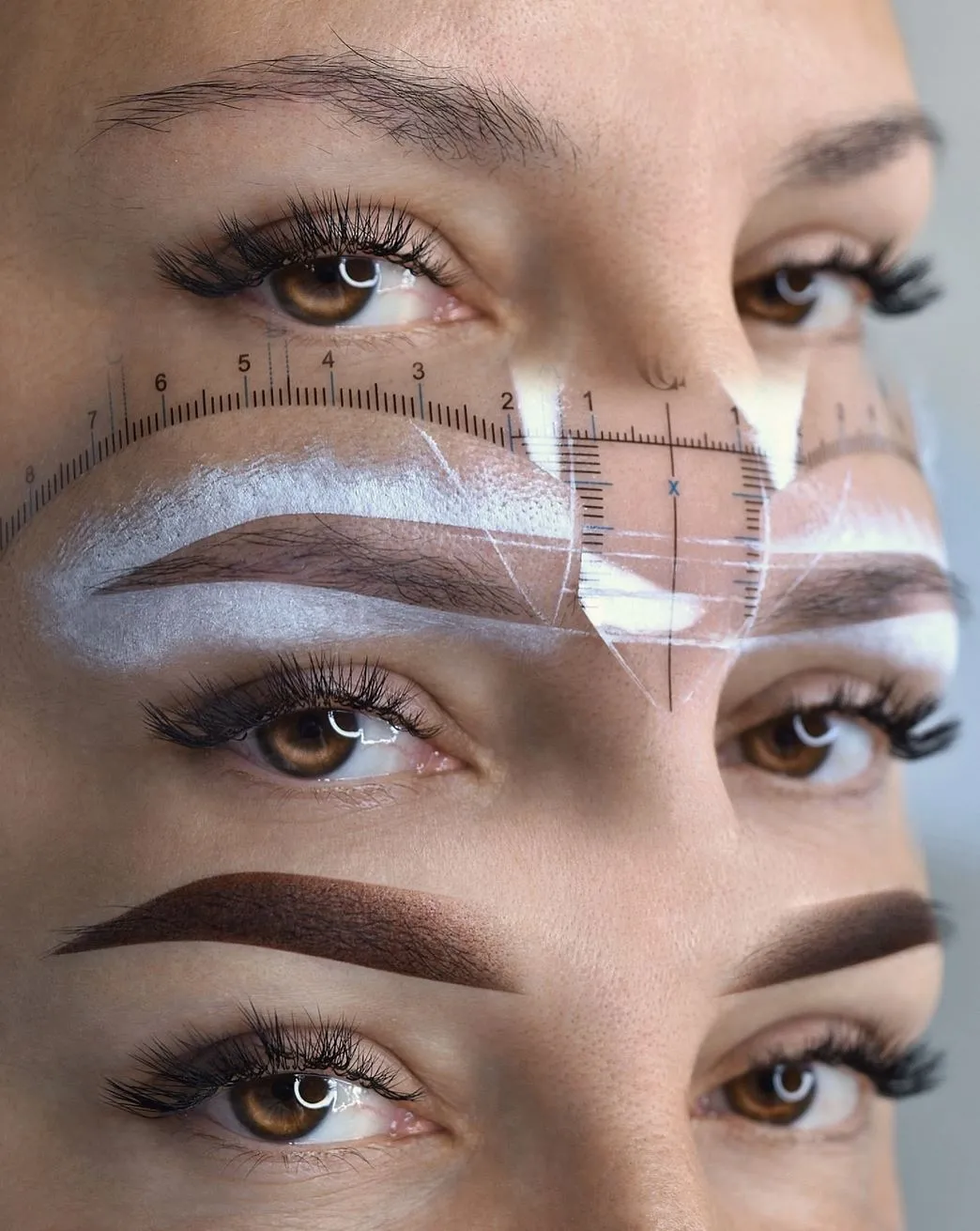
Eyebrows: The foundation of every PMU course
Expect to dive deep into techniques like:
- Microblading (manual hair strokes)
- Machine shading/ombre brows
- Combination brows (hybrid technique using blade + machine)
You’ll learn how to choose the right method for different skin types (yes, oily skin does not hold microblading well), how to map brows to balance asymmetries, and how to create shape based on bone structure and facial movement — not just face charts or templates.
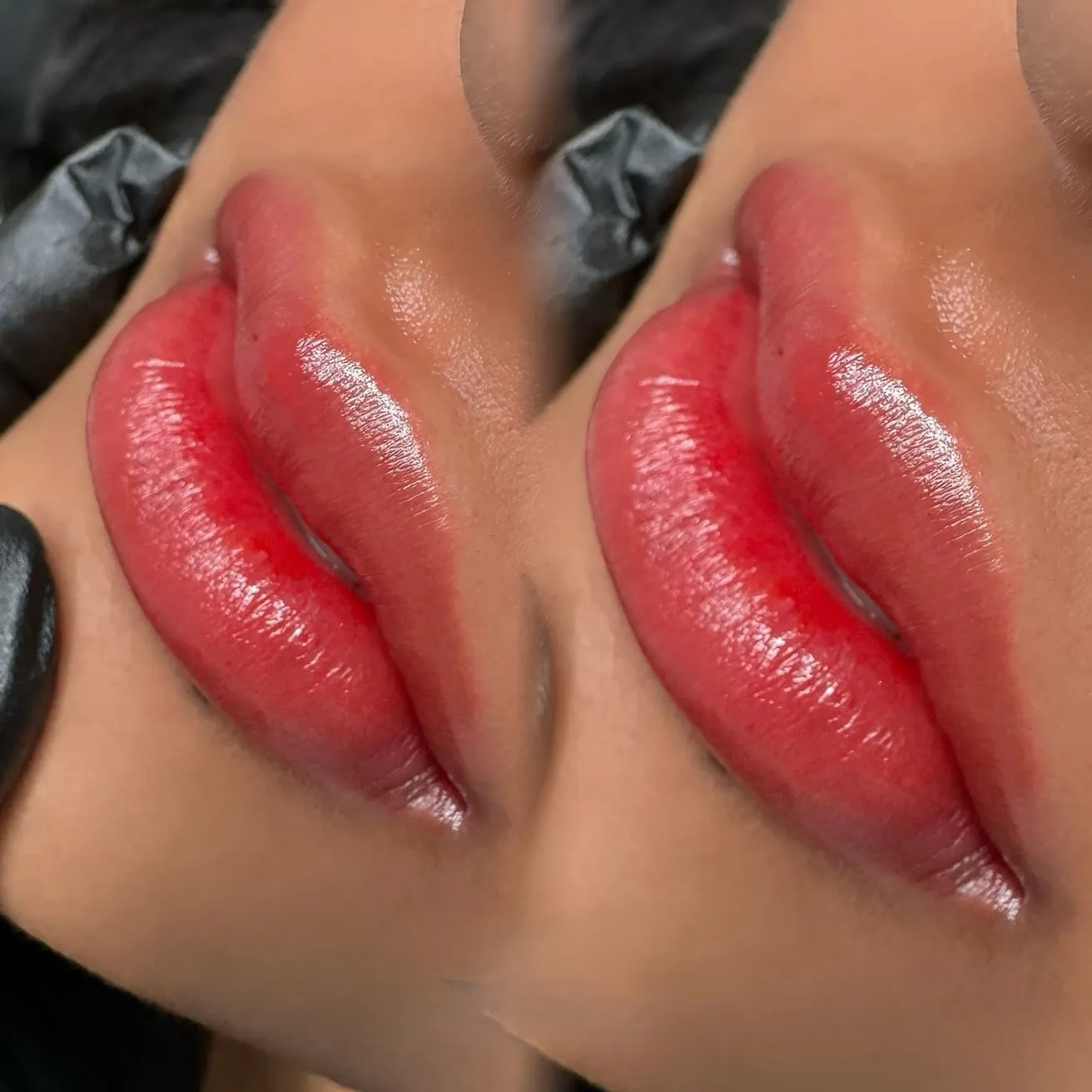
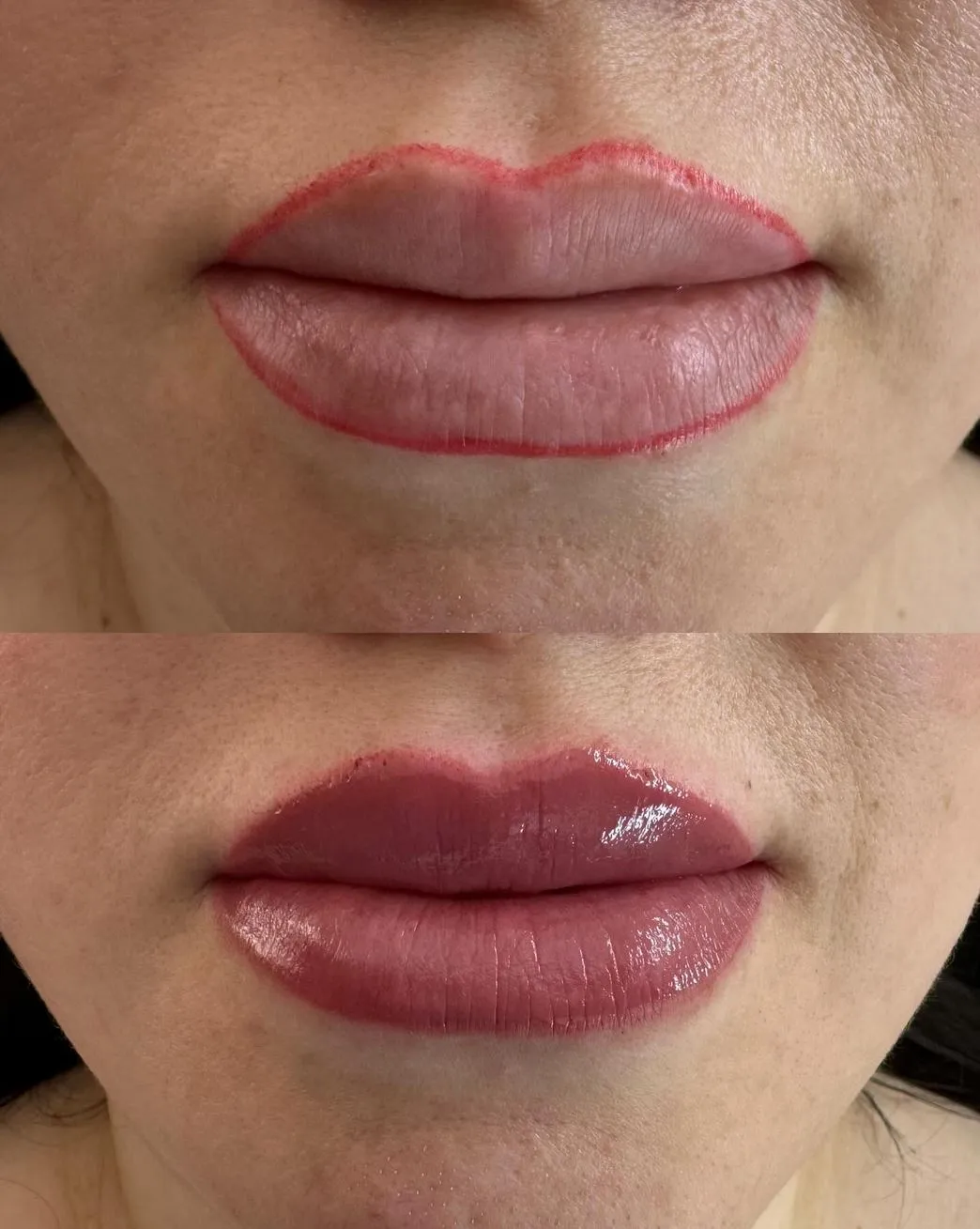
Lip blush tattooing: Colour correction and enhancement
Lip blush is less about creating a lip liner and more about restoring colour, enhancing shape, and correcting undertones. In a quality course, you’ll learn:
- How to neutralise dark or cool-toned lips
- Colour theory for undertones and fading
- Machine handling for delicate lip tissue
- Aftercare advice and managing swelling or cold sores
Eyeliner: The riskiest (and most technical) PMU service
Because you’re working close to the eye, PMU eyeliner requires precision, clean technique, and an ultra-light touch. You’ll be trained on:
- Lash line enhancement vs. winged eyeliner
- Stretching techniques for different eye shapes
- Client safety and contraindications
Real talk: not all beginners should offer eyeliner straight away. It’s one of those services that should only be done after mastering needle depth, machine control, and healing responses.
The Science Behind the Art: Skin, Pigment & Healing
Skin anatomy and how it affects retention
You’re not just learning how to draw pretty brows. You’ll study:
- Epidermis vs. dermis: where pigment actually sits
- How different skin types (dry, oily, mature) hold colour
- Why overworking the skin leads to scarring or poor retention
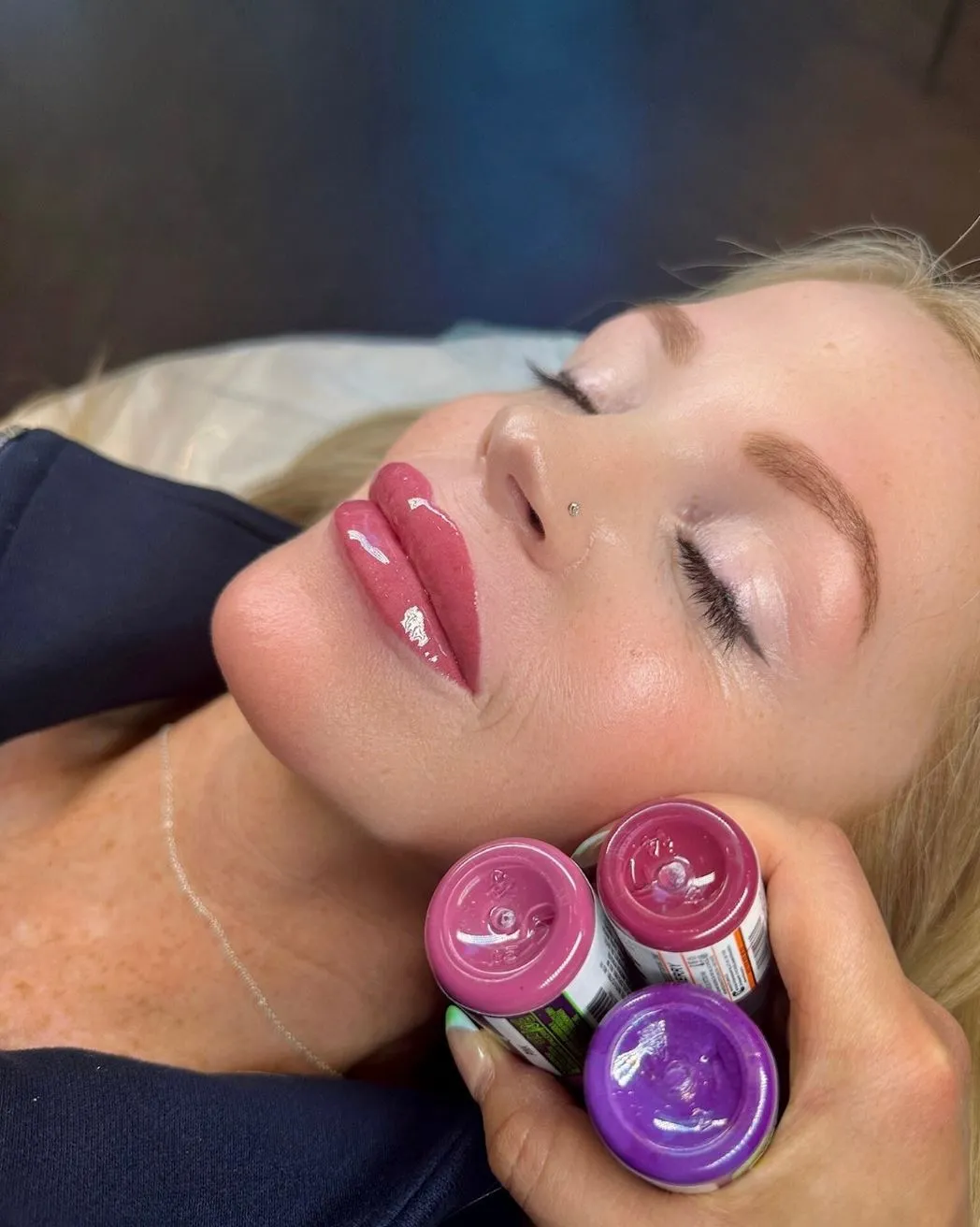
Pigment theory: Colour selection that actually lasts
Choosing the right pigment isn’t about picking a nice shade. It’s about:
- Understanding how undertones affect healed results
- Knowing which colours fade cool vs. warm
- Mixing and modifying pigments for different Fitzpatrick types
Remember: pigments oxidise. That warm, caramel brown might heal grey on a cool-toned client if you don’t know your undertones.
Healing timelines and client aftercare
A great course will break down healing week-by-week, so you can confidently manage expectations and troubleshoot problems like:
- Uneven fading
- Pigment loss in certain areas
- Overactive immune responses
Health, Hygiene & Legal Must-Knows
Let’s not sugarcoat it: you’re breaking the skin. So safety isn’t optional — it’s the whole job.
Infection control and cross-contamination prevention
Expect to get trained in:
- Setting up a sterile station
- Correct PPE and glove protocols
- How to safely dispose of sharps and contaminated waste
Bloodborne pathogens and skin reactions
You’ll learn:
- How to handle unexpected bleeding
- Signs of allergic or adverse reactions
- When to stop a treatment (yes, that’s a thing)
Licencing and council regulations (Australia-specific)
Depending on your state, PMU falls under body art or tattooing regulations. A good trainer will walk you through:
- Local licencing requirements
- Council inspections
- Insurance and client consent forms
Tip: In many Aussie councils, you can’t even advertise PMU without a registered premises and a tattooist licence.
Hands-On Practice: It’s More Than Just Latex Pads
Any decent course will include both theory and practical experience. You should:
- Practice on latex skins to learn needle control
- Map and draw designs on live models
- Observe healed results through case studies or follow-ups
Red flag alert: If a course only gives you practice on latex and no live model experience, you’re not being fully prepared for real clients.
What Equipment and Products You’ll Train With
The quality of your tools will shape your results. Expect exposure to:
- PMU machines (rotary pens or digital devices)
- Cartridges/needles and how to pick the right configuration
- Anaesthetics — what’s legal to use in Australia
- Pigments — ingredients, certifications, and stability
Australian trends in 2025 show a shift towards EU-certified, REACH-compliant pigments for transparency and safety.
| PMU Tools & Products | What You’ll Learn |
|---|---|
| Machines | Grip, speed, stroke length, and power control |
| Needles | Choosing configurations for brows, lips, and eyes |
| Pigments | Ingredients, lightfastness, and fading behaviour |
| Numbing creams | Legal vs. illegal use, timing, and protocols |
| Skin prep products | Antiseptics, barriers, and hydration boosters |
Business Skills They Should Be Teaching You (But Sometimes Don’t)
While some courses skim this part, a solid PMU course will help you start strong with:
- Client consults and contraindication screening
- Before/after photography and editing without filters
- Pricing strategies and how to value your work
- Social media basics for portfolio building
Pro tip: Even if you’re the best artist, clients won’t find you if you don’t know how to show your work online.
Many cosmetic tattoo artists underestimate the power of branding and digital presence — but it’s a game changer if you want consistent bookings.
Final Thoughts: Choose Your Training Wisely
Not all permanent makeup courses are created equal. A flashy Instagram feed doesn’t always mean high-quality training. Ask questions, read reviews, and look for:
- Accredited trainers with real-world experience
- Live model assessments, not just latex practice
- Ongoing support or mentorship post-training
PMU is a blend of science, art, and trust. What you learn in your first course sets the tone for your whole career. Choose wisely, take it seriously, and never stop learning.
A cosmetic tattoo can change someone’s face — and confidence — for years. So invest in training that respects the craft, the client, and the skin.
FAQs: What You’ll Learn in a Permanent Makeup Course
How long does it take to complete a PMU course?
Most beginner courses run for 3–7 days of in-person training, plus additional online theory or case studies over 4–8 weeks. But real mastery takes months of practice.
Do I need a beauty background to start?
Nope! Many successful PMU artists come from totally different industries. What matters most is attention to detail, steady hands, and a commitment to hygiene and learning.
What certifications should I get after training?
Look for a certificate of completion, plus First Aid, Bloodborne Pathogen, and Skin Penetration certificates relevant to your state. Some states require a tattooist licence.
Is PMU painful for clients?
It’s more discomfort than pain. With good numbing products and technique, most clients report it as mildly scratchy or annoying but tolerable.
What makes a good PMU course vs. a bad one?
A good course has small class sizes, experienced trainers, live model work, clear theory modules, and post-training support. A bad course rushes through without real feedback or healing follow-up.